WHY Your SEO Strategy is Failing in 2024
For over two decades, the playbook was simple: keyword research, backlinks, and technical fixes. But that playbook is obsolete. Google is no longer just a search engine; it's becoming an answer engine powered by artificial intelligence. Users don't want ten blue links; they want immediate, accurate, and contextual answers.
This fundamental shift is why traditional SEO is rapidly declining in effectiveness. To survive and thrive, you must understand and optimize for the new pillars of search: GEO (Experience Optimization), SGE (Search Generative Experience), and AEO (Answer Engine Optimization). This isn't a minor update; it's a complete paradigm shift. This guide will explain WHY this is happening and HOW to adapt your strategy to win for the next decade.
The Rise of the Answer Engine: Understanding SGE (Search Generative Experience)
SGE (Search Generative Experience): is the most significant change to Google Search since its inception. It uses generative AI to provide detailed, snapshot-style answers directly on the search results page, pulling information from multiple high-quality websites.
- What it looks like: A large - AI-generated box at the top of results that provides a comprehensive answer to complex queries - complete with source links and follow-up questions.
- The Implication: The goal is no longer just to "rank." The goal is to be cited as a source within this AI snapshot. If you're not in the snapshot - your organic traffic from that query will disappear.
The Non-Negotiable Foundation: GEO (Experience Optimization)
You cannot win in the SGE era without a rock-solid foundation. GEO (Experience Optimization) is the practice of optimizing for the user experience signals that Google's algorithms prioritize.
- Core Web Vitals: Your site must be blazing fast (LCP) responsive (INP) and visually stable (CLS). A slow site is dead on arrival.
- User Engagement: Google measures how users interact with your site. High bounce rates low dwell time and pogo-sticking (clicking back to results) tell Google your content doesn't satisfy intent.
- EEAT: Experience - Expertise - Authoritativeness and Trustworthiness. Content written by true experts with first-hand experience (e.g. a doctor writing about health - a contractor writing about plumbing) will always outperform generic content. Google's AI is trained to recognize authority.
The New Strategy: HOW to Practice AEO (Answer Engine Optimization)
AEO (Answer Engine Optimization) is the overarching strategy that replaces traditional SEO. It's the process of creating content specifically designed to be selected as the definitive answer by Google's AI.
Your AEO Action Plan:
Target Question Based Intent: Move beyond keywords. Target full questions like "how to fix a leaking toilet" or "what is the best budget gaming laptop." Use tools like AlsoAsked.com to find these queries.
Create Ultimate Guide Content: Create comprehensive, long-form content that aims to be the final word on a topic. Cover every angle and sub-topic to become the obvious source for the AI to reference.
Structure for Machines and Humans: Use a clear hierarchy of headings (H2, H3, H4), bullet points, numbered lists, and tables. This helps AI parsers understand your content's context and relationships easily.
Use Multi Format Evidence: Support your text with original images, infographics, videos, and data tables. Google's SGE will often integrate these assets directly into its snapshot, making your content more likely to be featured.
Prove Your EAT: Showcase author credentials, cite original sources and studies, and demonstrate real-world experience. Google's AI trusts content that demonstrates expertise and trustworthiness.
The Immediate Action Plan: What to Do Next
- Conduct a GEO Audit: Use Google PageSpeed Insights and Search Console to identify and fix Core Web Vitals issues. This is your first priority.
- Shift Your Content Calendar: Pause creating short - keyword-focused articles. Redirect efforts to expanding and upgrading existing top-performing content into comprehensive question-based guides.
- Monitor SGE Rollout: Keep a close eye on your Search Console performance. Identify which queries are triggering SGE snapshots and analyze if your content is being featured. Adapt your strategy based on this data.
Conclusion: Adapt or Become Irrelevant
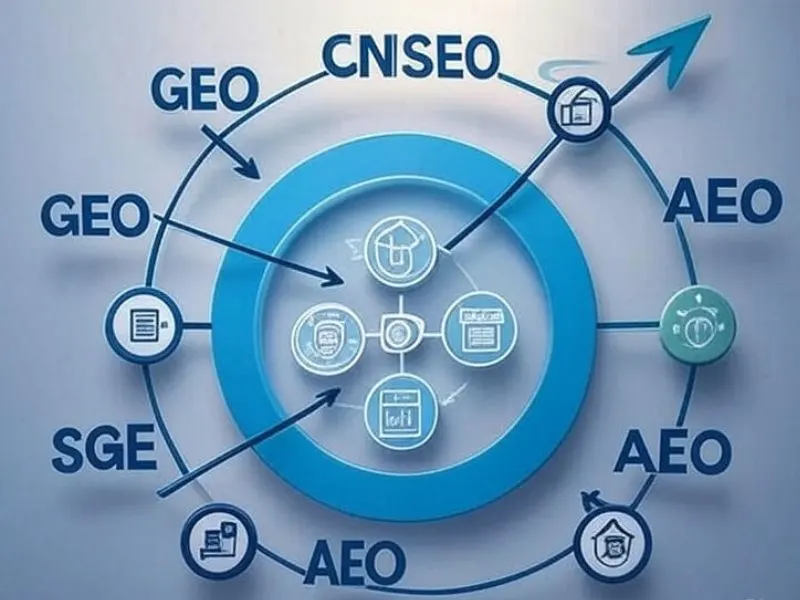
the relationship between SEO, GEO, SGE, and AEO
The evolution from SEO to AEO is not a future possibility; it is the present reality. Google's mission to organize the world's information is now executed through AI. The businesses, creators, and marketers who will win the future of search are those who stop optimizing for algorithms and start optimizing for people and the AI that serves them. They will invest in user experience, establish undeniable expertise, and create content so valuable that it becomes the only logical choice for Google's Answer Engine. The question is not IF you should adapt, but HOW FAST you can do it.